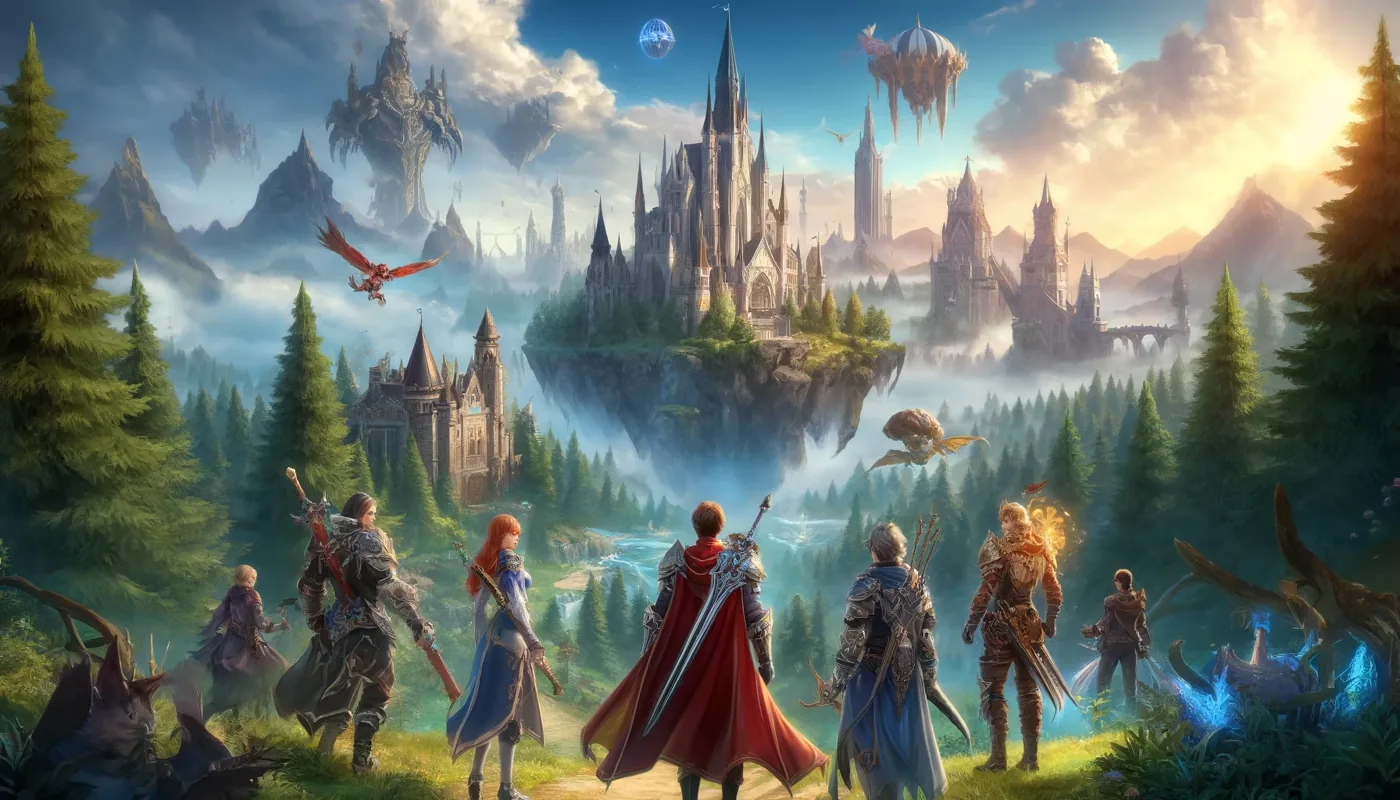
Fantasy High
Set cover artwork

Quibble™ · Storytelling card game
Create an interesting and plausible story from the words on the cards you draw.
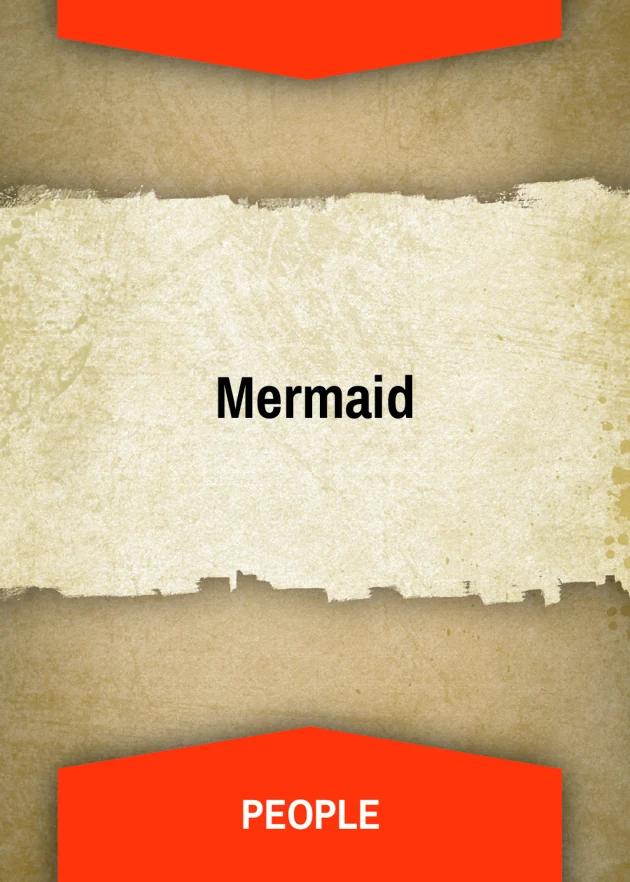
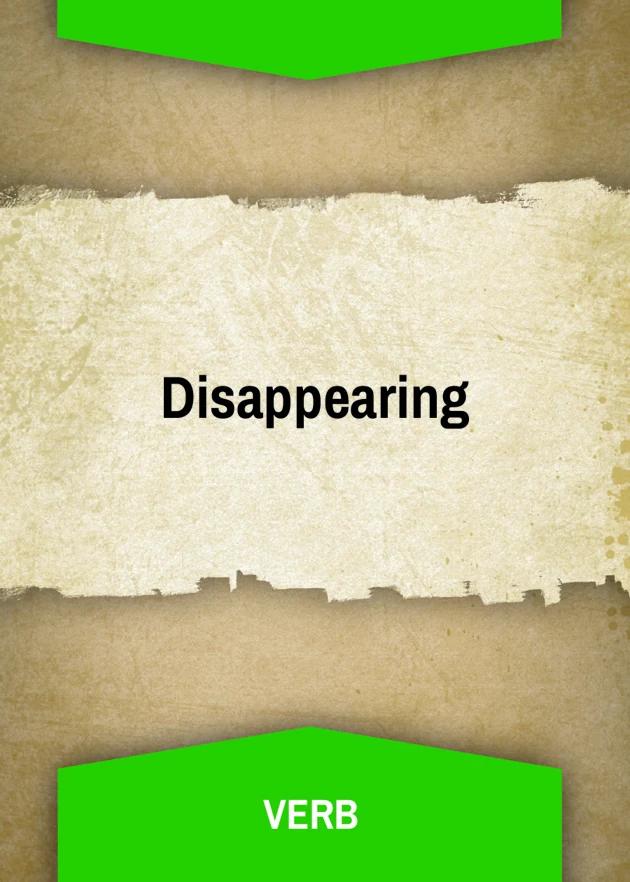
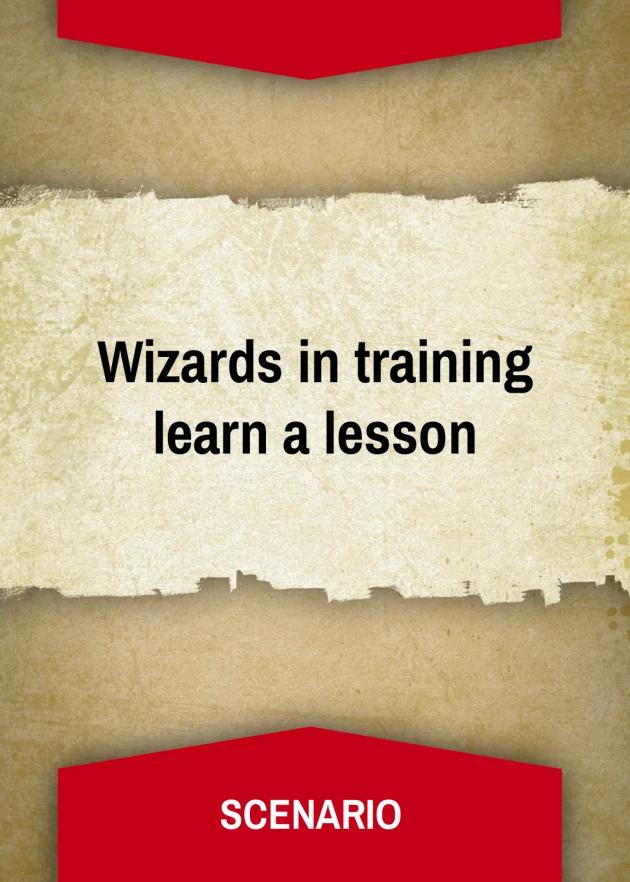
Quibble Updated card artwork
01 The deck
A Scenario begins the story. People, Places, Objects and Verb actions give you the words to continue it.
The phrase that starts the story.
S · 5 cardsThe people in your story.
Pe · 6 cards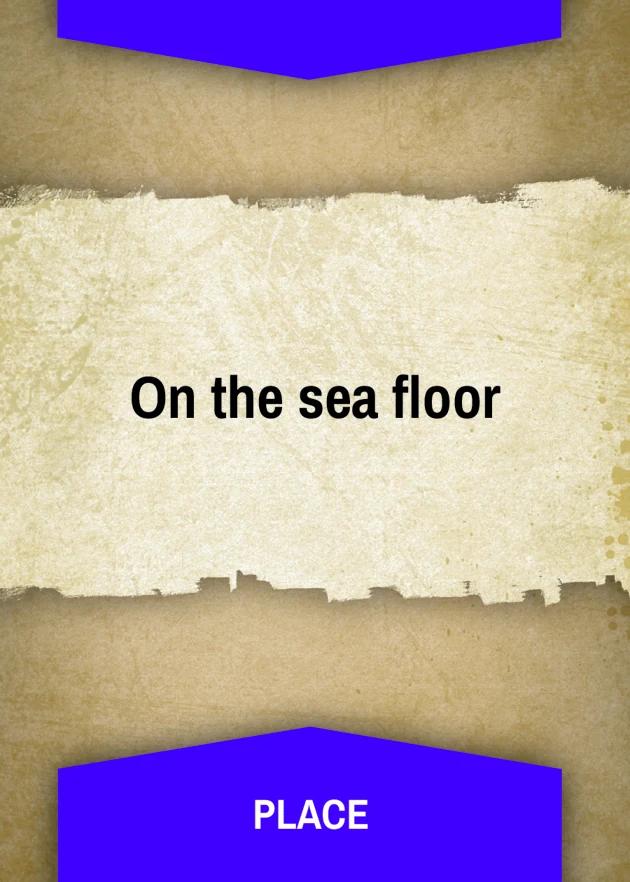
The places in your story.
Pl · 11 cards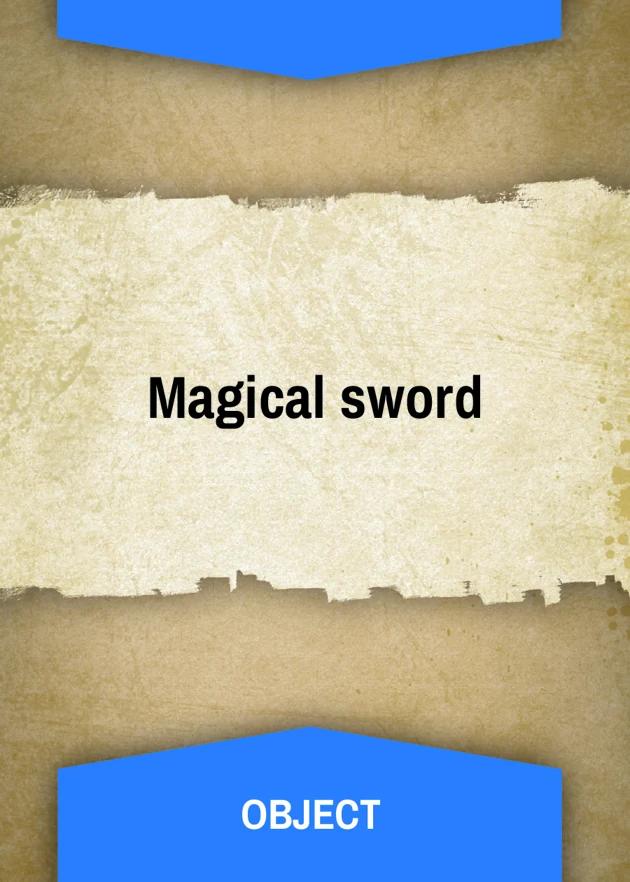
The objects in your story.
O · 14 cardsThe actions in your story.
A · 16 cards02 How to play
Choose a starting phrase, deal the cards, and build story paths together.
Place one of the five Scenario cards face-up. Draw it at random or choose it by agreement.
Shuffle all the remaining cards together. Deal four to every player, or just to yourself for solo play.
The oldest player starts, followed by the second oldest, and so on.
Place a card from your hand above, below, left or right of a card already in play. The first card goes beside the Scenario.
Cards of the same type may not be adjacent to each other in a story path.
Use the words on the cards. Between cards, you may add at most one connecting word: a pronoun, preposition or contraction. You don’t have to add one.
03 A turn in practice
The example wording from Rules 4.0, shown in a teaching diagram modeled on the updated card design.
Cards can branch from the same scenario.
Path A · Scenario + Verb
“A group of friends travel on a flying ship traveling.”
The first player adds Traveling. No connecting word is needed.
Path B · Scenario + Object
“A group of friends travel on a flying ship through Clouds.”
The next player adds Clouds beside the Scenario. “Through” is the connecting preposition.
04 The challenge
If you disagree with a card placement, you can challenge it before the winner is declared.
The challenged player can defend their story path or cancel the move by flipping their card face-down.
If the player stands by the story, resolve the challenge with a vote. An accepted card stays in play.
If the move is rejected, the card is flipped face-down and that player’s turn ends. A cancelled or rejected card blocks that space in the story.
05 The worlds
Set cover artwork. The updated card designs are shown in the card-type overview.
Set cover artwork
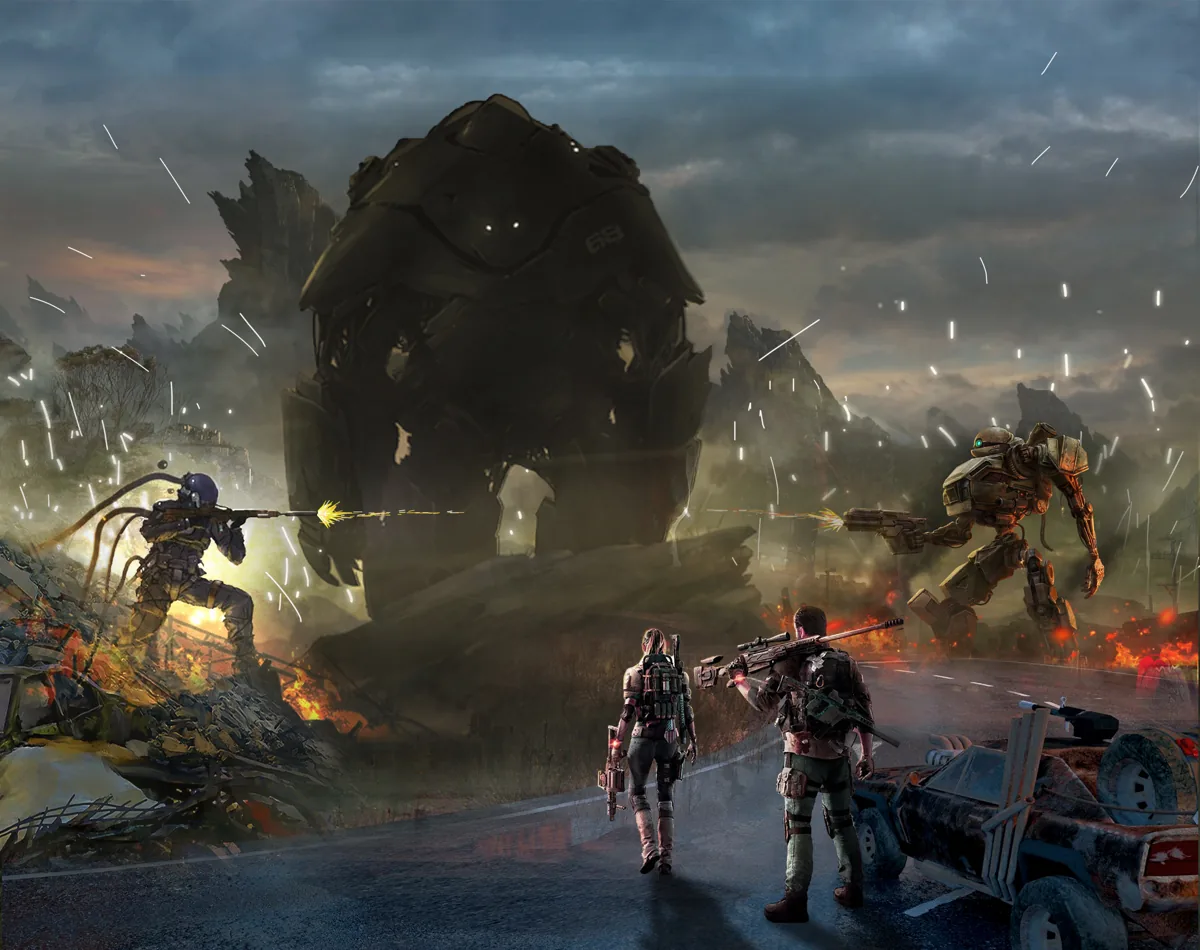
Set cover artwork
06 At the table
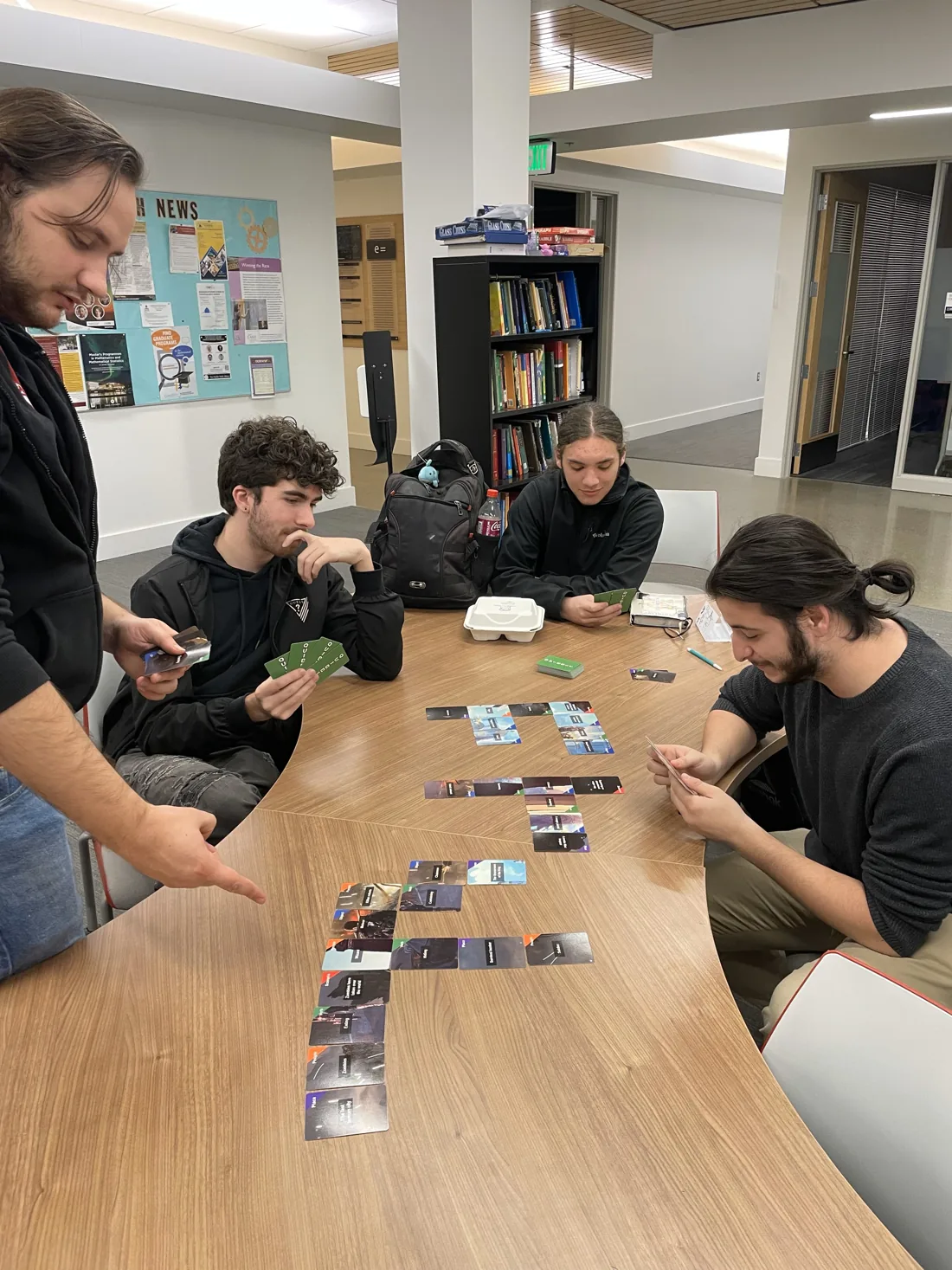
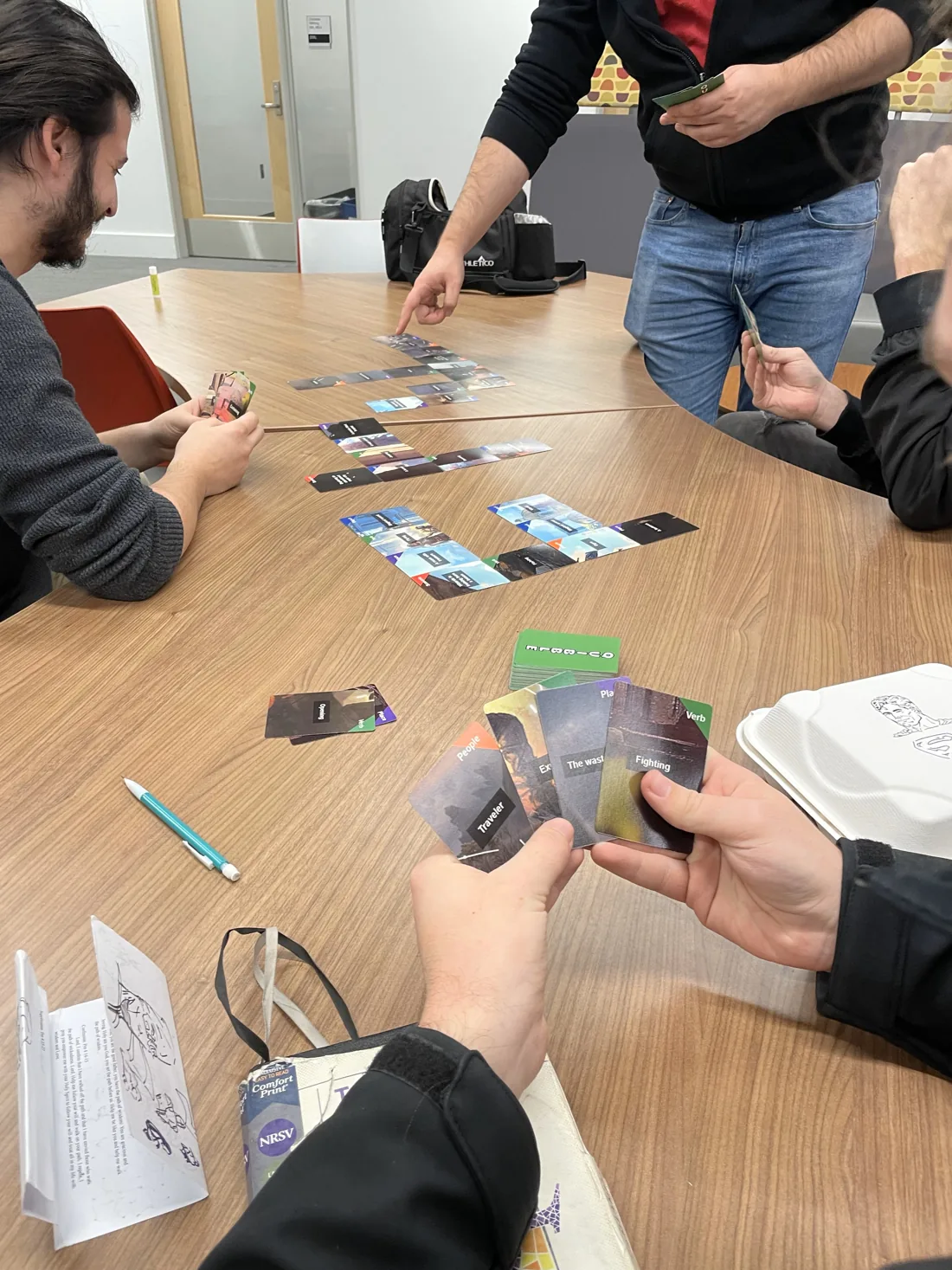
Playtesting showed that a four-player game averaged 20 minutes.
Playtest timing from Rules 4.0; not a fixed game length. Photos show an earlier card design.
Cards of the same type may not be adjacent in a story path. A Place cannot be beside another Place along that path, for example.
Use the words on the cards, with at most one connecting word between cards. It must be a pronoun, preposition or contraction. A connecting word is optional.
When you have no cards left in your hand, you may draw one card from the deck and play that card when it is your turn.
Yes. Rules 4.0 supports solitaire play: choose a face-up Scenario and deal yourself four cards from the shuffled remaining deck.